Women in Farming Sector Battle Decline in Rice Prices and Land Issues
📅 December 03, 2025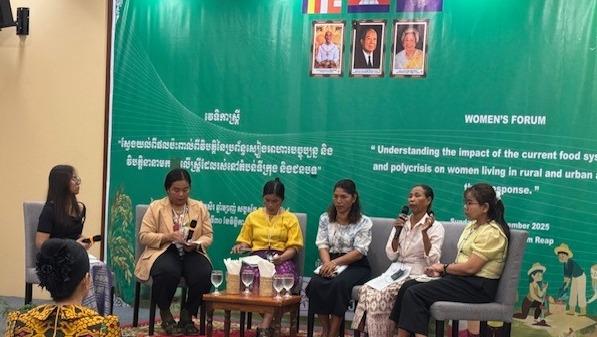
SACD has gathered women from rural and urban areas to share the challenges they face regarding farming and land issue in their community.
Underprivileged women from urban and rural areas gathered to share their stories about the current food system crisis during an event on November 30, 2025, hosted by Social Action for Community and Development (SACD) held under the theme, Focus on the Global South and United Sisterhood Alliance.
During the event, ‘Understanding the impact of the current food system crisis on women living in rural and urban areas: voices from the ground’, many women reported earning less profit from rice farming, as well as facing pressure to sell their rice at low prices to repay debts, including microloans and daily borrowing.
Others described being trapped in cycles of family debt, and struggling with the rising costs of protecting their land and land issues, which is negatively impacting their mental health.
Hy Sochan, a peasant and agricultural practitioner in Kampong Chhnang province, said that the system of food “favours the rich and powerful”, while the small and vulnerable, especially women farmers, earn the lowest and have the least control.
She added that the difficulties farmers in the sector face differ from middle men, rice millers, agro-industrial companies and multinational corporations, as they can sell products at a higher price than what they purchased them from farmers for.
Sochan said, for example, the price of rice and other agricultural products keep falling, while the cost of seeds, pesticides and fertilisers increase each year.
She added that the hardship is further worsened by the fact that farmers lack information from buyers, for example, which crop is in demand. So when they grow their crops, they often differ from market demand, meaning they cannot sell the produce they have harvested.
This creates an added risk for small-scale food producers who fail to follow market demand, meaning they have no market to sell their products to after harvesting, leading to less profit and the need to take out loans, either in the form of a microloan, or from a loan shark, which comes with high interest.
Om Sam Ol, from Pailin province, is now trapped in the vicious cycle of debt, creating mental health issues. This has been worsened by rice prices falling to the current price of 600 riel a kilogram, however, despite the low price, she decided to sell anyway to pay off her microloan and loan shark debts.
Sam Ol said her mounting debts have been caused by multiple crises, including Covid-19 and the floods in 2022 to 2023, in addition to family debt and the falling price of rice.
Legal land titles
In addition to the challenge of rice prices women in rural areas face, Sam Ol is battling another issue regarding legal land titles, while she and her family have been granted the right to live and farm on land, they have no legal documents.
Similar to Sam Ol, Yuk Taing, of the Phnom Krom Land Community, also faces land issues, as well as the cost of protecting her land. She added that her and her communities' fight over land issues has been long-standing, with no immediate resolution in sight.
She added that the long-standing delay in resolving the land issue has added further challenges. For example, their water resources, which is their main source of food and cultivation, is at risk due to encroachment by traders, companies and wealthy locals.
Sethy Sokunmolika, of SACD, told Kiripost that authorities have not given the community any information or a date for issuing land titles. She said they have already submitted their demands from local to national authorities, organised gatherings and sent family representatives to relevant institutions, including parliament.
She emphasised, “We strongly hope that the communities will soon receive a fair and durable solution, especially the official property titles that recognise and protect their rightful claims.”
She added that SACD has facilitated training on feminism, patriarchy, power dynamics and resource politics to strengthen women’s collective understanding of systemic issues. “The organisation has provided technical and advocacy support to women facing land conflicts and helping them document cases,” Molika said.
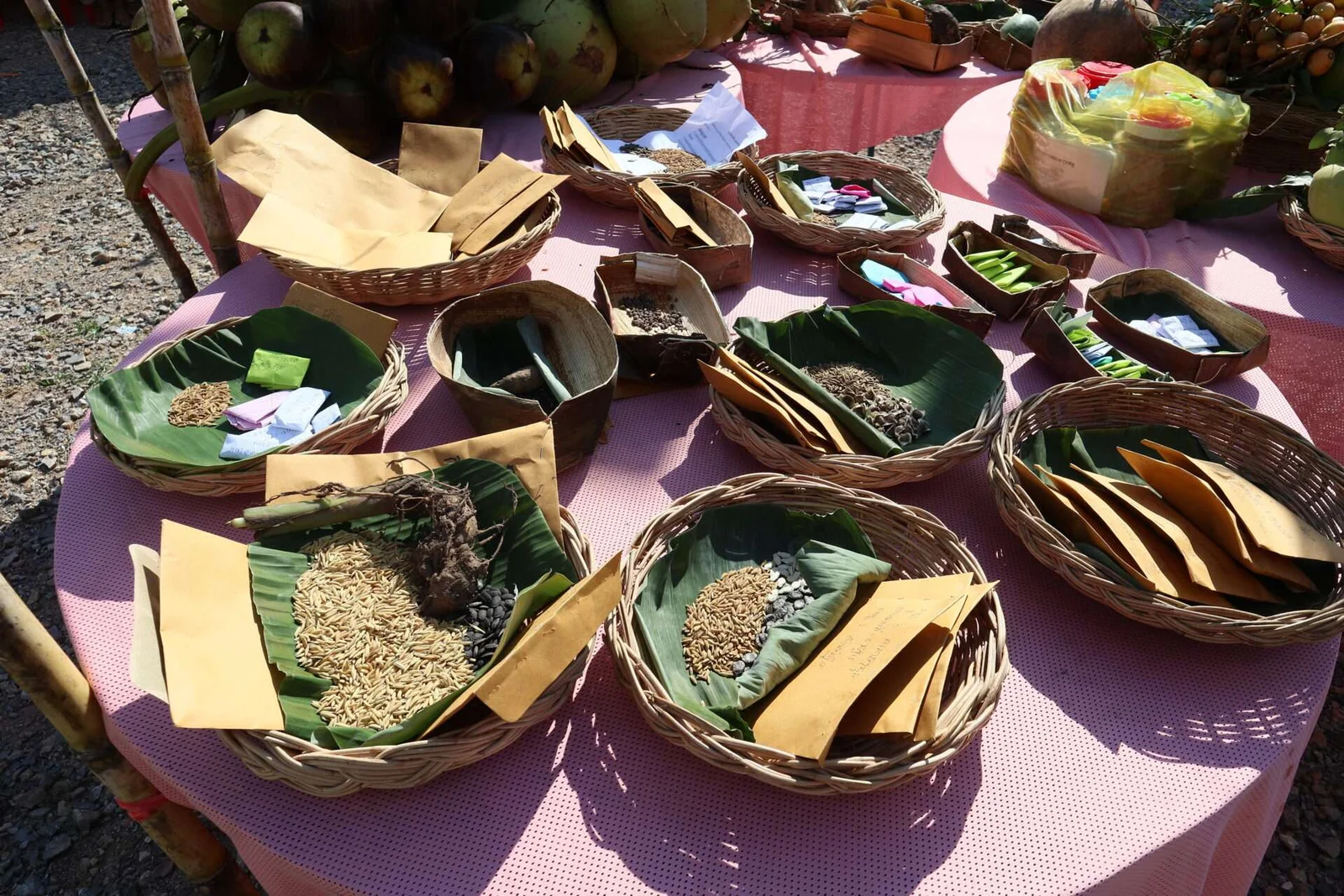
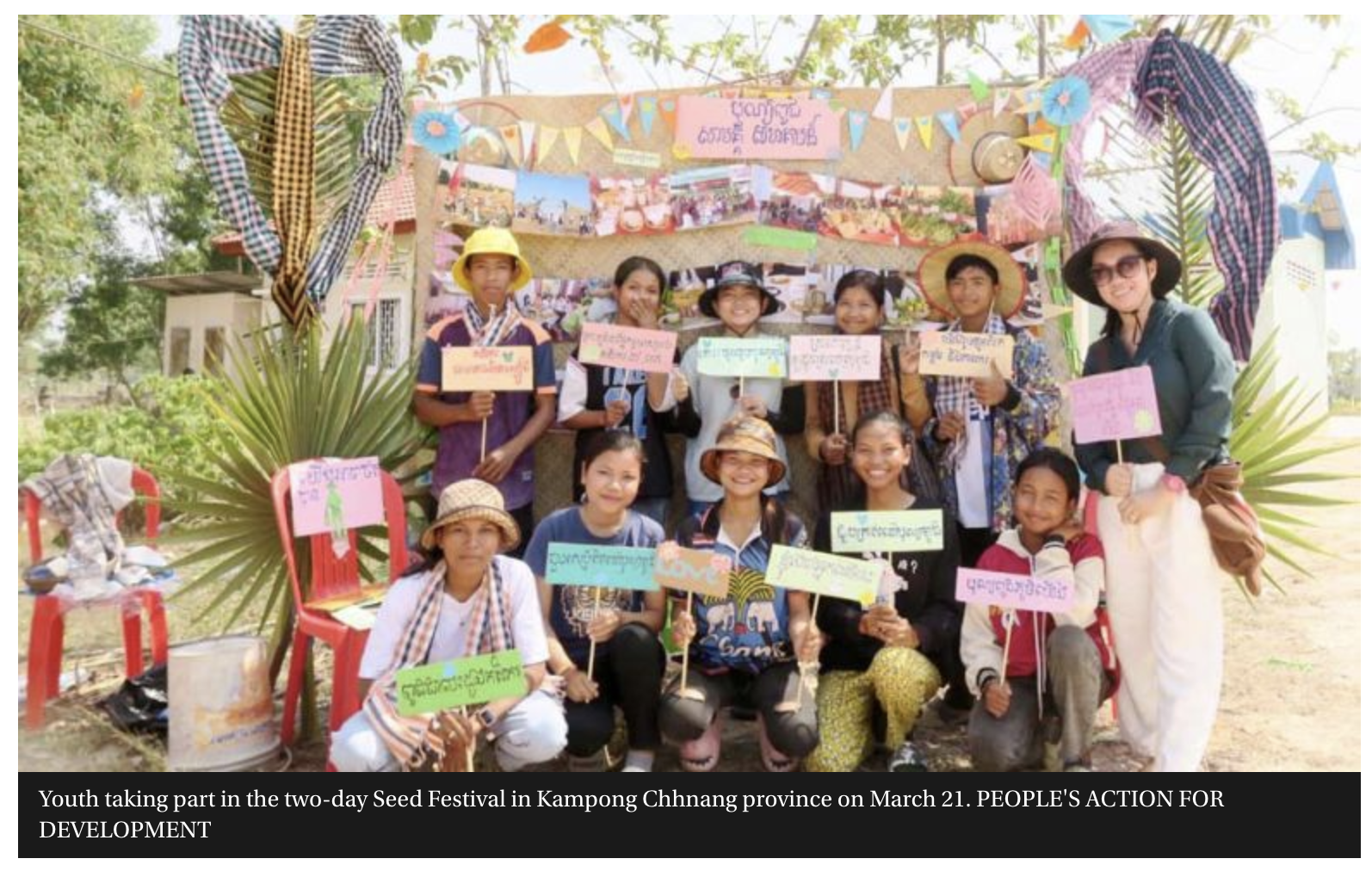
Regarding farming, SACD promotes agroecology and food sovereignty practices by supporting natural farming, traditional seed preservation and women-led ecological initiatives.
Chhim PichBormey
Link: Kiri Post
← Back to News